A memory can be sincere and still incomplete. We may remember an event without understanding our place in it, or only later notice something that once seemed unimportant. These four books invite us to treat remembering as an activity performed in the present. They differ in form and scale, but each gives a reason to ask not only “What happened?” but “Why is it being told this way?”
READING ROOM · READING LISTS
Memory is not a recording: four ways of telling the past
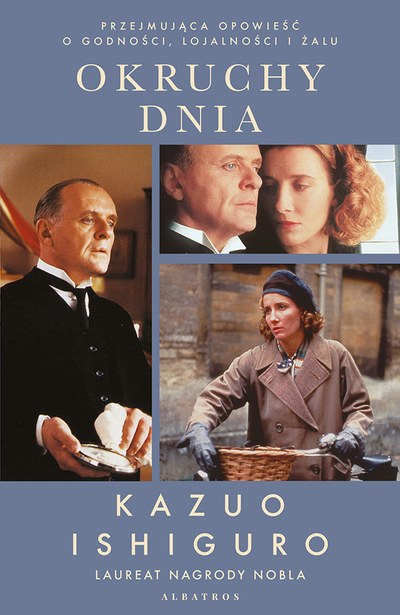
A life narrated with professional restraint
Okruchy dnia
With Ishiguro, follow the distance between a controlled tone and the significance of what becomes visible. Choose this if you enjoy recognising omissions yourself. The central issue need not be inaccurate facts, but how long someone can defend an interpretation that keeps an entire life appearing coherent.
Read the review →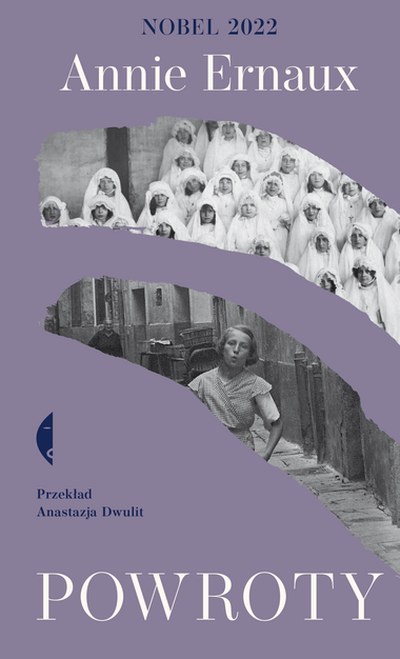
Testing memory against a place
Powroty
Ernaux brings childhood memory into contact with a return to Yvetot. Notice what changes through adulthood and social distance. Choose this for autobiography that extends beyond private experience: an individual history becomes a way of reading the environment from which a person emerged.
Read the review →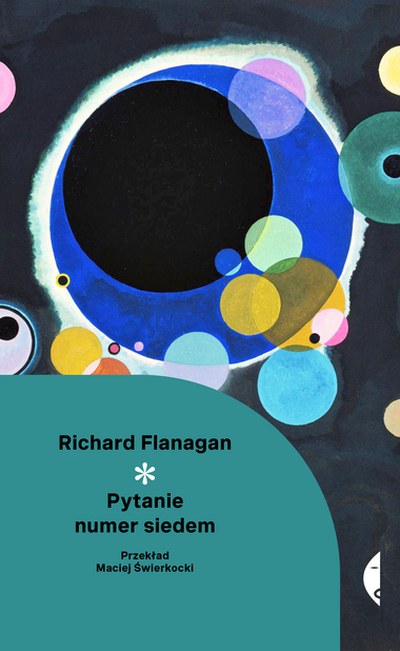
A family among larger events
Pytanie numer siedem
Flanagan connects intimate memories with twentieth-century history. The important movement is between scales, not simply towards famous names and dates. Choose this if you enjoy asking how chance and distant decisions enter an individual life. Family memory is not a room sealed off from the wider world.
Read the review →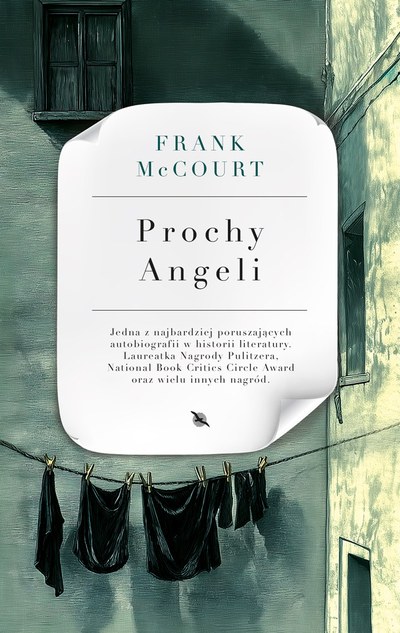
Humour that does not cancel hardship
Prochy Angeli
McCourt returns to childhood while leaving room for both pain and comedy. Read the combination without requiring one tone to cancel the other: laughter does not mean an experience was harmless. Choose this for a narrator accommodating conflicting feelings about family and the past within a single account.
Read the review →Where to start
Try identifying a passage in which the event does not change, but its significance does. That is often where the reading becomes most active. Memory stops resembling a store of finished facts and becomes an attempt to understand the relationships between them.