Fantasia: An Algerian Cavalcade
About the book
The novel interweaves women's voices with the history of France's conquest of Algeria.
Original title: L’Amour, la fantasia
Discover the world.
One book at a time.
Assia Djebar juxtaposes Algeria’s conquest with women’s voices and family memory. Kateb Yacine experiments with the novel’s form, while Mouloud Feraoun describes growing up in Kabyle poverty. Kamel Daoud revisits Camus’s The Stranger through the family of its unnamed victim. Boualem Sansal’s dystopia and Yasmina Khadra’s novels broaden the selection to religion, violence and political fanaticism.
No matches. Try another language or search term.
The novel interweaves women's voices with the history of France's conquest of Algeria.
Original title: L’Amour, la fantasia
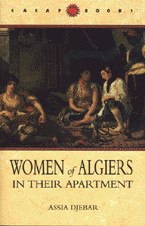
Stories give voice to Algerian women during war and after independence.
Original title: Femmes d’Alger dans leur appartement
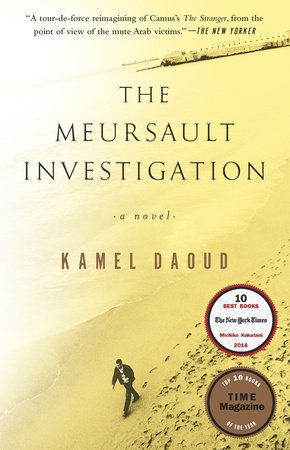
The brother of the unnamed victim in Camus's The Stranger demands a name and a history for the dead man.
Original title: Meursault, contre-enquête
Four men and Nedjma's intertwined lives connect love with colonial Algerian history.
An autobiographical novel about poverty, education and life in Kabylia.
Original title: Le Fils du pauvre
The dystopian empire of Abistan maintains power through religion and control of thought.
Original title: 2084: La fin du monde
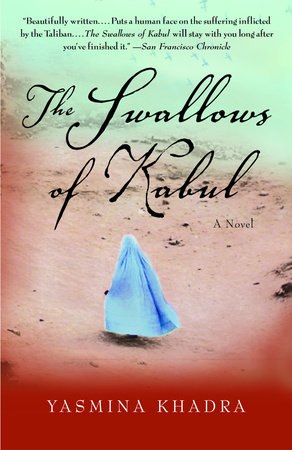
Two couples' lives intersect in Taliban-ruled Kabul.
Original title: Les Hirondelles de Kaboul
An Arab surgeon in Israel confronts a discovery about an attack and his wife.
Original title: L’Attentat
Women’s memories and experiences of violence intertwine with Algerian history.
A literary remembrance of murdered friends and a reflection on political violence.
Sources on authors and their connections to this country. Specific edition details appear beside each book. Polish and English originals are not labelled as translations.