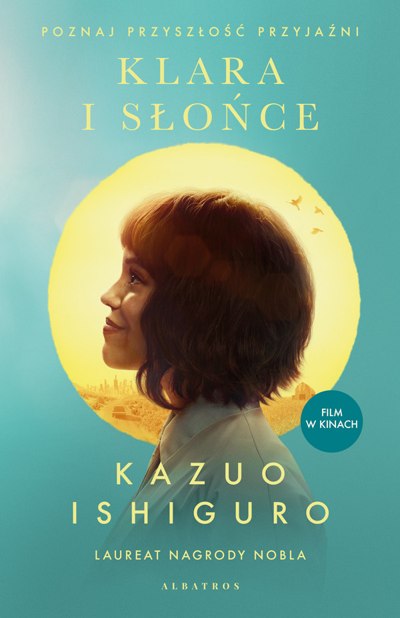
Yasunari Kawabata was the first Japanese writer to receive the Nobel Prize in Literature. His spare fiction offers an entry through a love story set in a snowbound resort. The selection moves from Sōseki, Akutagawa and Tanizaki to contemporary novels by Murata, Kawakami and Ogawa. Family histories sit beside explorations of alienation, work, the body and memory. Nagasaki-born Kazuo Ishiguro is a British writer; his inclusion here reflects biographical and literary connections with Japan.
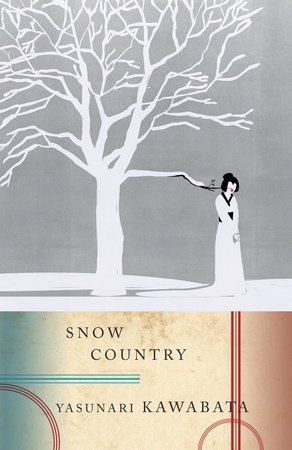
At a secluded mountain resort, the wealthy Shimamura meets the geisha Komako. Their relationship reveals unequal commitments and the fragility of hopes for a shared future. The snowy landscape accompanies a story of affection unable to overcome emotional distance.
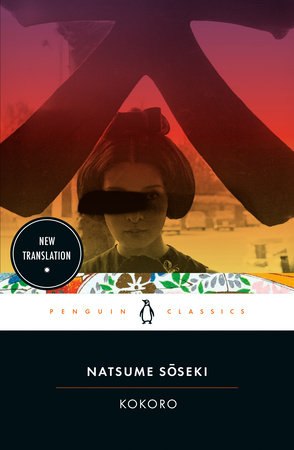
A young man befriends an enigmatic older figure he calls Sensei. He gradually discovers that his mentor lives under the weight of guilt and events from his youth. Their relationship also exposes the distance between generations in a changing Japan.
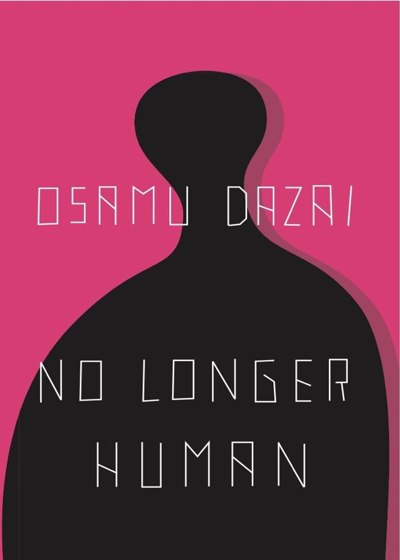
Yōzō recounts a life spent unable to understand other people or feel that he belongs among them. Attempts to fit in fail to relieve his growing estrangement. His account exposes the distance between an apparently ordinary existence and inner disintegration.
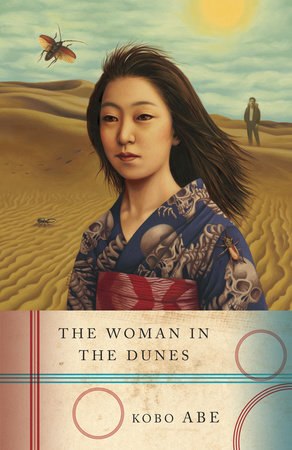
An amateur entomologist misses his bus and accepts lodging in a house at the bottom of a sand pit. The next morning he discovers he cannot leave and must help the woman living there shovel away the advancing dunes. Their daily labour turns into a struggle over freedom, obligation and escape.
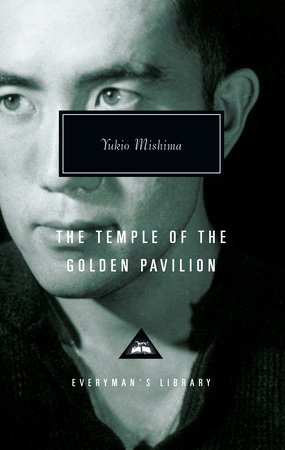
The isolated Mizoguchi has been fascinated by Kyoto’s Golden Temple since childhood. After becoming an acolyte there, his admiration turns into an obsession that separates him from other people. His longing for perfection begins to move towards violence.
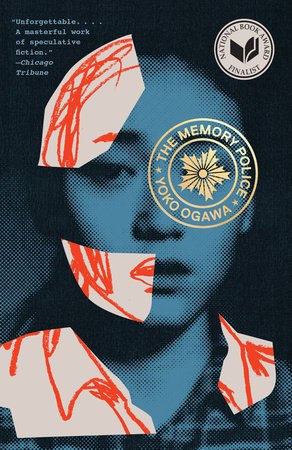
Objects vanish from an island, and its inhabitants lose their memories of them as well. A special police force pursues the few people who can still remember. A young novelist hides her endangered editor, trying to preserve the past and the possibility of telling stories.
Natsuko welcomes her sister Makiko, who is seeking breast-enhancement surgery, and Makiko’s adolescent daughter to Tokyo. Years later, she faces her own questions about motherhood and a future without children. Their stories explore the tension between bodily autonomy, personal desires and social pressure.
Keiko finds a sense of order in her convenience-store job. People around her nevertheless expect a more conventional life and conformity to their ideas of adulthood. Her story asks who gets to decide where normality ends and difference begins.
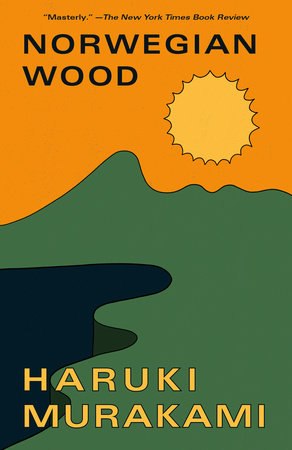
Tokyo student Toru is devoted to Naoko, with whom he shares the loss of a close friend. As she retreats further into herself, another relationship suggests a different future. Their coming-of-age story connects love with grief and the difficulty of choosing a path.
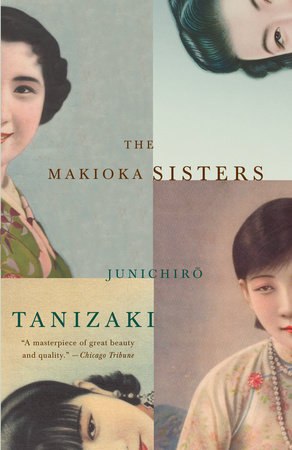
Four sisters from a declining Osaka family try to reconcile inherited prestige with personal needs. Marriage negotiations, desires for independence and repeated compromises expose cracks in the old order. Their everyday lives unfold as the Second World War approaches.
Stories set in historical Japan use violence, self-interest and conflicting testimony to unsettle easy distinctions between truth and falsehood. Later pieces draw on the author’s personal fears. The collection brings together grotesque humour, moral uncertainty and the vulnerability of the mind.
Sources on authors and their connections to this country. Specific edition details appear beside each book. Polish and English originals are not labelled as translations.