Begin with Olga Tokarczuk, whose fiction makes travel a way of thinking. Her fragmented form brings stories, essays and histories of the human body into conversation. For technological imagination turn to Lem; for a sensual mythology of childhood, to Schulz. Miłosz examines intellectual complicity in totalitarianism, Gombrowicz imposed roles, and Masłowska violence within everyday language. Szymborska’s poetry and the historical Quo Vadis open two very different reading paths.
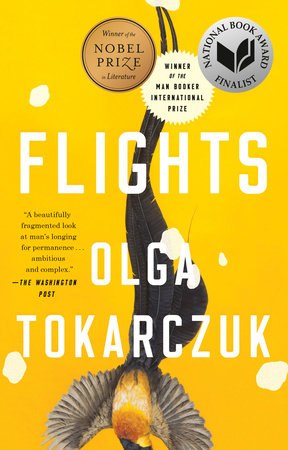
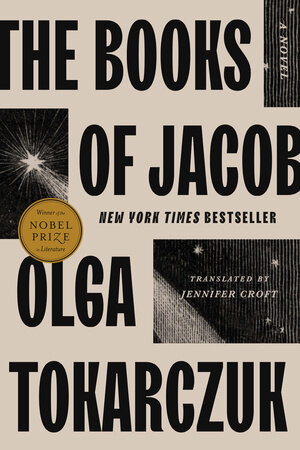
Travellers and wanderers cross a mosaic of stories set in different places and periods. Tokarczuk connects their movement with questions about the body, passing time and the possibility of preserving experience through storytelling.
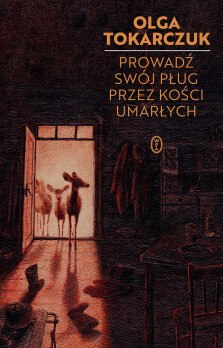
In a remote Polish village, Janina Duszejko tries to make sense of disturbing events and the disappearance of her dogs. Mysterious deaths turn her concern for animals into a confrontation with people certain of their right to dominate the natural world.
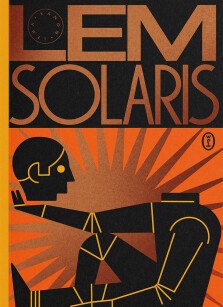
Kris Kelvin arrives at a research station above a planet covered by a mysterious ocean. An encounter with a being resembling the dead Harey confronts him with memory, guilt and the limits of knowledge. The attempt to understand an alien intelligence becomes a deeply personal struggle over attachment.
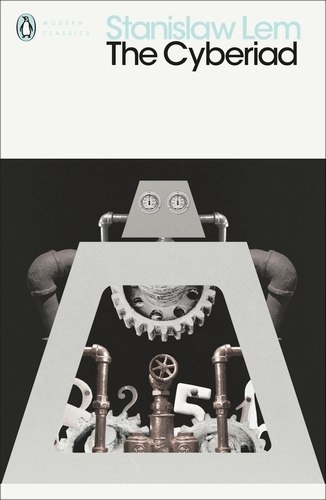
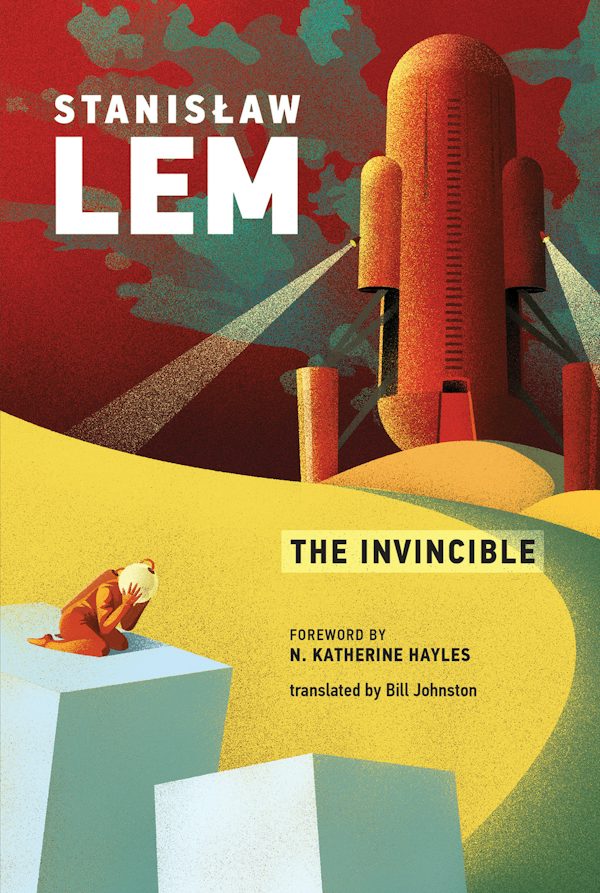
Constructors Trurl and Klapaucius travel among extraordinary civilisations, building machines with astonishing abilities. Their inventions test rulers’ ambitions, reason and ideas of happiness. These linked comic tales ask why technological ingenuity so often outpaces wisdom.
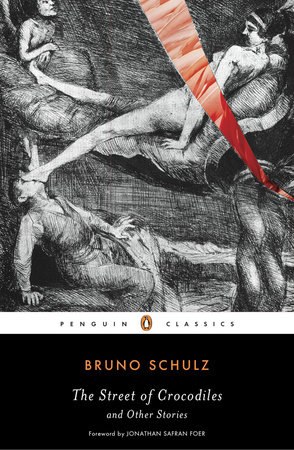
This volume brings together The Street of Crocodiles, Sanatorium Under the Sign of the Hourglass and further stories. Everyday places and family experience slip into dreams, transformations and personal myth. Rather than one continuous plot, the collection offers a recurring world shaped by memory and surreal imagery.
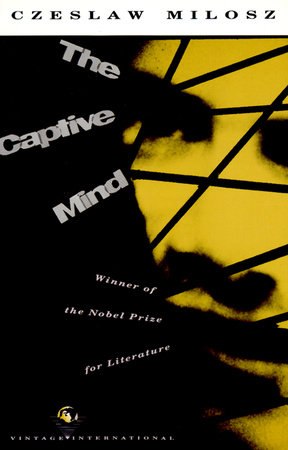
Miłosz examines how totalitarian rule reshapes intellectual life and moral decisions. He explores the tension between conviction, accommodation and accepting an imposed account of reality. These essays investigate the mechanisms of submission rather than following a fictional plot.
A professor drags an adult writer back into the dependent world of schoolboys. The absurd situation exposes how other people impose identities and deny the individual control over who he is. Grotesque comedy becomes an exploration of enforced immaturity.
After Magda leaves him, Andrzej moves between new relationships, drugs and theories that explain away his failures. His account blurs reality and fantasy, while its language exposes social prejudice and helplessness. A broken relationship opens into a grotesque portrait of youth in post-communist Poland.
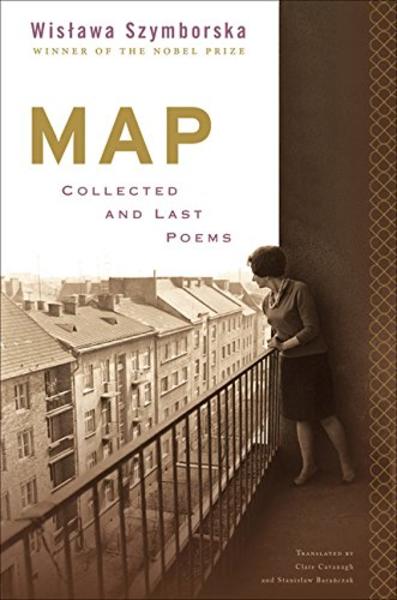
This substantial selection spans Szymborska’s writing and includes poems from her final Polish collection, Enough. Brief observations and unexpected changes of perspective open questions about human beings and their place in the world. The poems are connected by a distinctive way of seeing rather than a shared narrative.
In Nero’s Rome, Marcus Vinicius seeks to possess Lygia, a Christian living as a hostage. Encountering her faith challenges his understanding of love and power. Their personal lives become entangled with the persecution of Christians and imperial violence.
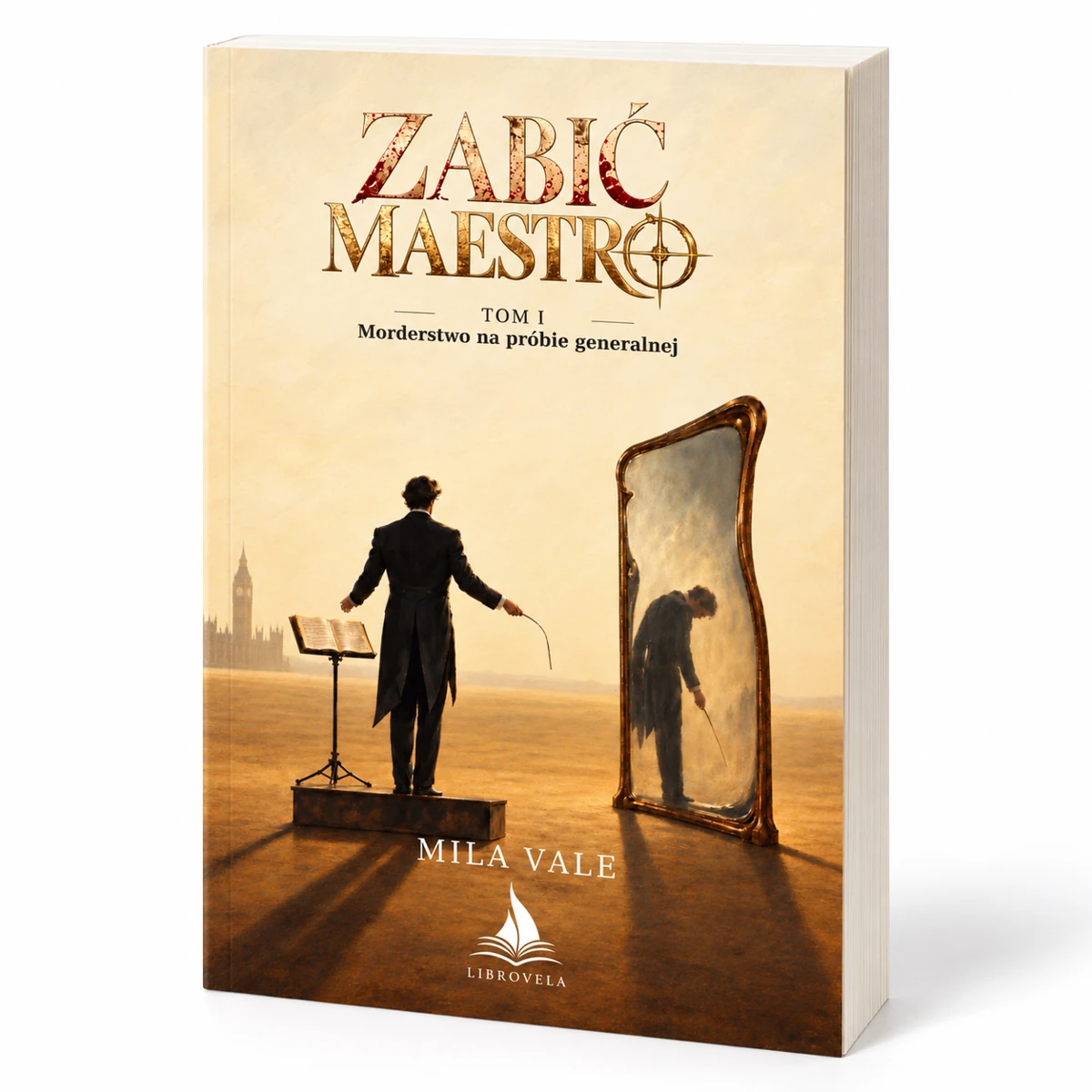
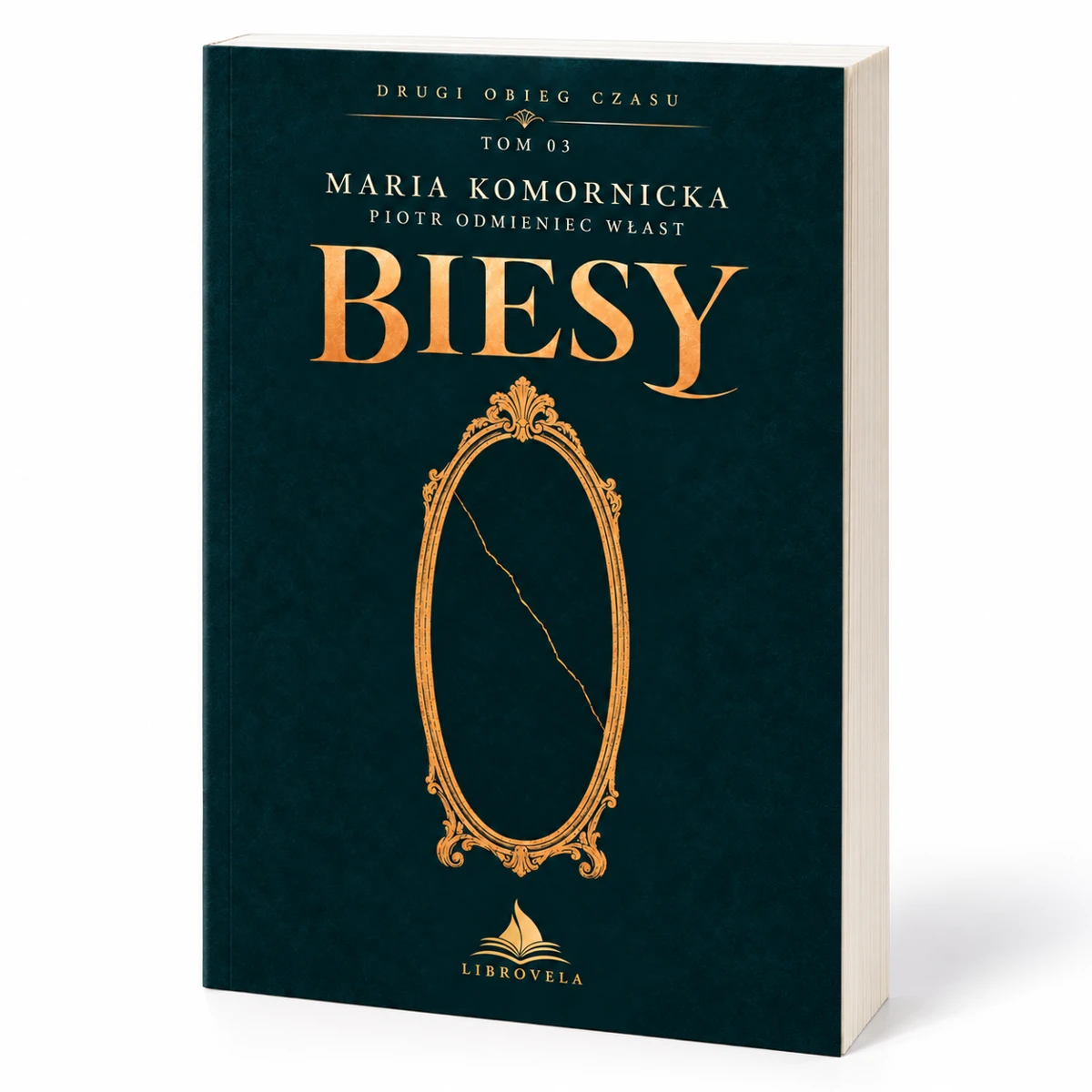
At the Bellwether theatre, stage manager Clara Vale tries to keep a dress rehearsal on track amid tension and conflict. When she finds conductor Adrian Blackwood dead in an old office, his reflection in the mirror refuses to behave like that of a dead man. Her investigation leads behind the scenes, where ambition, secrets and dark humour meet something that cannot be explained as an ordinary crime.
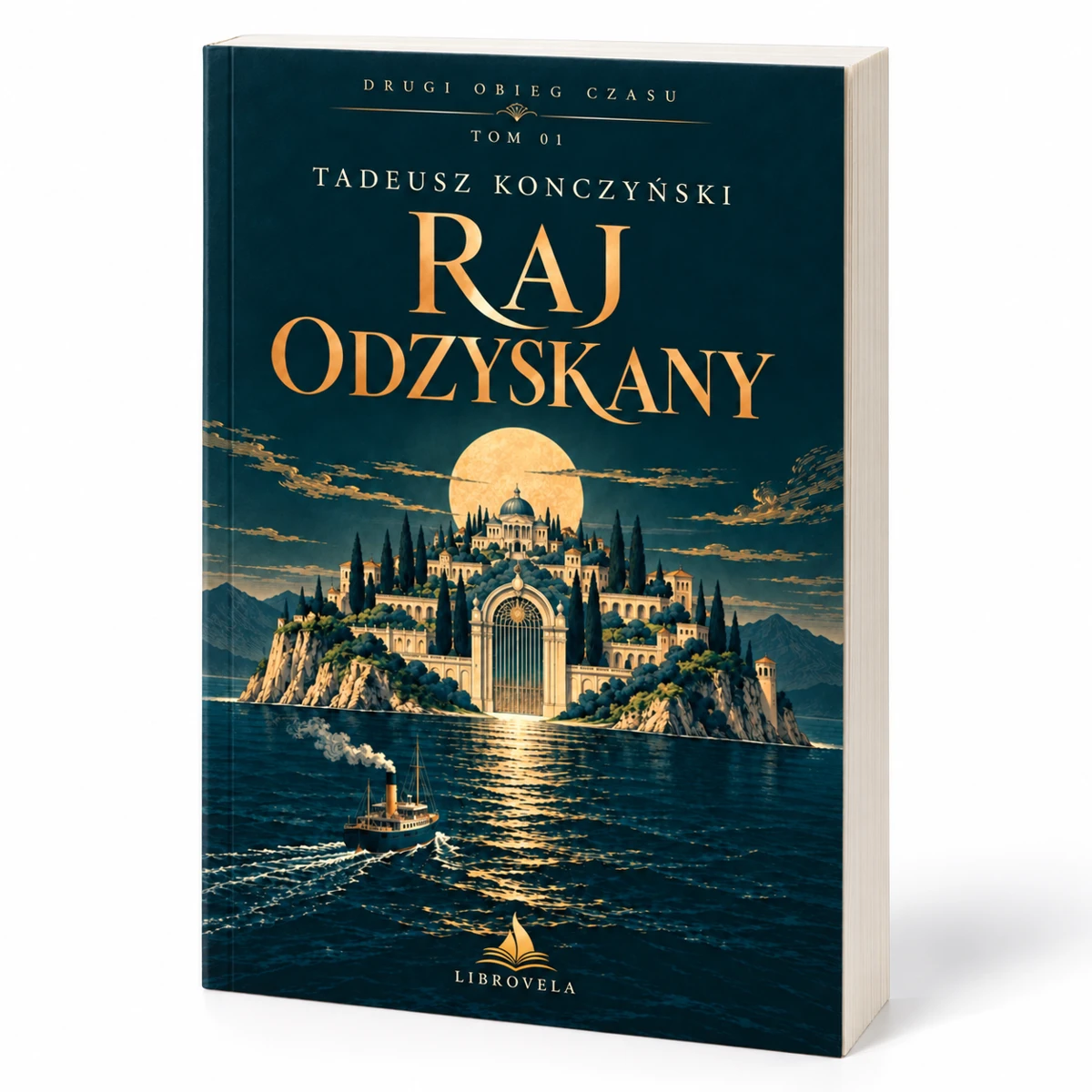
A fantastic journey beyond the known world, exploring civilization, humanity and the dream of paradise. Illustrated Librovela edition, Drugi obieg czasu volume 1.
Sources on authors and their connections to this country. Specific edition details appear beside each book. Polish and English originals are not labelled as translations.